
A Mayo patient transfer example often starts at MSP International Airport with a traveler who has already spent hours in the air and needs one thing to go right: a private, dependable ride to Rochester. For a patient, caregiver, or family member heading to Mayo Clinic, transportation is not simply the distance between two cities. It is the point where flight changes, luggage, mobility needs, appointment times, and personal comfort all meet.
A prearranged chauffeur service gives that trip a clear plan. Instead of refreshing a rideshare app after landing or waiting for a shared shuttle with multiple stops, the traveler has a confirmed vehicle, a professional chauffeur, and private door-to-door service.
Mayo Patient Transfer Example: MSP to Rochester
Consider a common scenario. A patient from out of state is flying into MSP for an early-morning Mayo Clinic appointment in Rochester the following day. Their adult daughter is traveling with them, along with two checked bags, a carry-on, and a folded walker. The flight is scheduled to arrive at 5:40 p.m., and the family has a hotel reservation near the clinic.
The transfer is reserved in advance as a private airport-to-Rochester trip. The reservation includes the airline, flight number, passenger count, luggage details, destination address, and the caregiver’s contact information. Those details allow the transportation team to assign the right vehicle and plan the pickup properly before the aircraft reaches the gate.
For this type of trip, Airport Car Service MSP may recommend a late-model luxury SUV rather than a sedan. An Escalade-class SUV provides easier entry, a more upright seating position, generous luggage capacity, and room for the patient and caregiver to travel without feeling crowded. If a family member is joining from another flight or the party has additional bags, a Mercedes Sprinter van may be the better fit.
The objective is simple: the vehicle should fit the travelers, their belongings, and their comfort requirements without last-minute compromises at the curb.
Flight Monitoring Changes the Arrival Experience
Air travel is unpredictable. Your ride should not be. In this example, the arriving flight is delayed by 35 minutes due to weather near Minneapolis. With flight monitoring, the chauffeur and dispatch team adjust to the updated arrival time rather than relying only on the original itinerary.
After the patient deplanes, the chauffeur follows the agreed meet-and-greet plan. Depending on the reservation, that may mean meeting the party at baggage claim or arranging a direct pickup point once luggage is collected. The family does not need to locate a garage, cross airport traffic with bags, or wonder whether a driver will cancel after a long wait.
The chauffeur assists with ordinary luggage handling and guides the party to the vehicle. A business-attired professional presence matters here. A patient may be tired, uncomfortable, or anxious about the next day’s care. A calm, organized pickup removes a layer of friction at a moment when the family has little patience for uncertainty.
Private transportation also means the vehicle leaves for Rochester when the passengers are ready. There are no additional airport stops, no strangers in the cabin, and no shared-shuttle schedule dictating the pace of the evening.
Selecting the Right Vehicle for the Transfer
Vehicle choice should be based on the real trip, not the lowest quoted fare. A sedan can be an excellent choice for one or two ambulatory travelers with light luggage. For many Mayo-related trips, however, an SUV provides more practical space and easier access.
When arranging the reservation, share details that affect the ride, including:
- The number of passengers and whether a caregiver will ride along
- The number and size of checked bags, carry-ons, or medical-related luggage
- Any folded walker, wheelchair, or other mobility equipment that must be stowed
- Whether the traveler needs extra time getting in or out of the vehicle
A chauffeur service can plan for these realities in advance. That is a meaningful difference from requesting a vehicle on demand and hoping the arriving car has enough cargo space or a suitable seating arrangement.
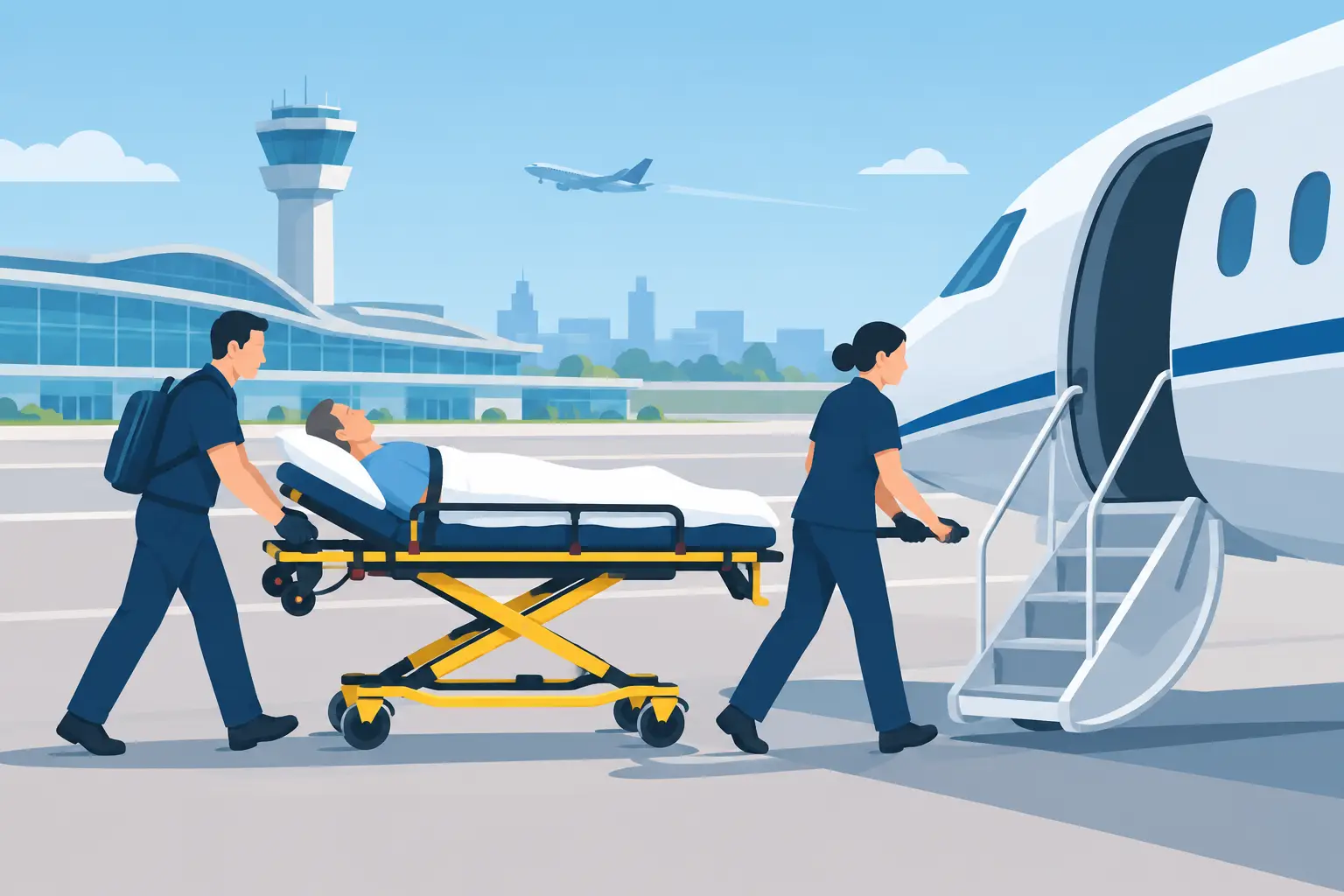
It also helps to be specific about what the service can and cannot provide. A private car service is appropriate for stable passengers who can travel safely in a standard luxury vehicle, with support from a companion if needed. It is not ambulance transportation, wheelchair-accessible medical transport, or a substitute for clinical supervision. Travelers who require medical monitoring, stretcher transport, specialized lifting, or emergency care should arrange the appropriate medical transportation provider.
The Drive From MSP to Rochester
The drive from MSP to Rochester is typically about 75 to 90 minutes, depending on traffic, weather, route conditions, and the final destination. For a patient arriving after a flight, that time is best treated as part of the care travel plan, not as an afterthought.
In this example, the chauffeur confirms the destination before departure and takes the most sensible route for current conditions. The cabin remains private and quiet. The caregiver can make calls, review the next day’s appointment details, or simply let the patient rest. There is no need to navigate unfamiliar highways, manage rental-car paperwork, or search for hotel parking after dark.
For families traveling in winter, a scheduled professional ride offers another advantage: the trip is handled by a chauffeur accustomed to Minnesota road conditions. Weather can extend travel time, so a reservation should allow a reasonable buffer, especially when an appointment is scheduled shortly after arrival.
The same principle applies to return transportation. If a Mayo appointment ends later than expected, provide the anticipated pickup window during booking and keep the service updated if the clinic schedule changes. A realistic plan is more valuable than a tight itinerary that leaves no room for an extended consultation, testing, or discharge process.
Coordinating Caregivers, Hotels, and Clinic Destinations
A well-planned Mayo transfer is rarely just one passenger and one address. The patient may stay at a Rochester hotel, meet another family member there, or travel directly to a clinic-area destination. The caregiver may need a separate return trip to MSP the next day. These details are manageable when they are stated clearly before the reservation is finalized.
For the sample transfer, the chauffeur drops the family directly at the hotel’s entrance and brings luggage to the curbside unloading area. The patient avoids a long walk from a remote lot or a crowded shuttle drop-off. The following morning, the family can use a separate scheduled ride to the clinic if they prefer not to drive or manage parking.
This is also where flat-rate pricing is useful. Long-distance medical travel already involves enough variables. Knowing the transportation rate in advance helps families and corporate travel coordinators budget without watching a surge-priced app during a delayed arrival.
Why a Reserved Chauffeur Is Different From a Rideshare
A rideshare can work for a short, low-stakes trip across town. A Mayo Clinic transfer from MSP has more moving parts. The arrival time may change. The passenger may be fatigued. The vehicle needs to accommodate people and luggage. The destination is more than an hour away, often after a flight and before a time-sensitive appointment.
With a reservation-based black car service, the assignment is planned around the trip. The chauffeur knows the pickup details, the vehicle has been selected for the party, and the service is built around a private departure. That operational control is what makes the experience more dependable than app-based driver availability or a shared shuttle’s fixed route.
For executive assistants, legal teams, and corporate travel managers arranging care travel for a principal, the same benefits apply. The itinerary is handled discreetly, the guest receives professional service, and the transportation plan reflects the importance of the trip.
Details to Confirm Before Booking
The strongest reservations include a complete itinerary and a candid conversation about passenger needs. Confirm the flight number, requested pickup arrangement, Rochester address, passenger count, luggage, mobility equipment, and preferred vehicle. If the patient is traveling with a caregiver, include both names and a reliable day-of-travel phone number.
If the transfer is connected to an appointment, schedule enough time between arrival and the clinic visit. A delayed flight, baggage delay, winter conditions, and hotel check-in can all affect timing. Building in a buffer protects the appointment and gives the traveler a more comfortable first evening in Rochester.
For patients and families, the right transportation plan should feel quiet and settled. A confirmed chauffeur, an appropriate vehicle, and a direct route from MSP to Rochester leave more room for what actually deserves attention: getting to Mayo Clinic rested, supported, and on time.









Leave A Comment