

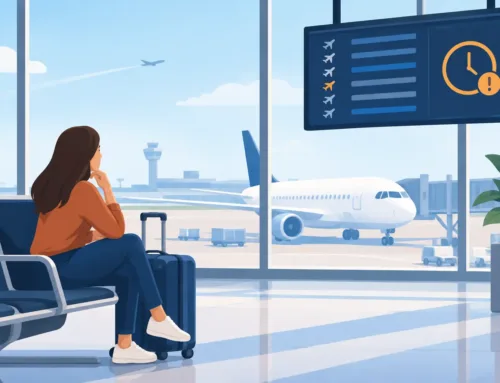
A delayed arrival should not leave you refreshing a rideshare app in the terminal or wondering whether your driver has left the airport. To handle delayed flight pickup properly, the transportation plan needs to account for what happens before, during, and after the airline changes your schedule. At MSP, that means knowing your flight is being monitored, having a direct point of contact, and arriving to a chauffeur who is prepared for the actual landing time – not the time printed on yesterday’s itinerary.
For executives, visiting clients, families, and Mayo Clinic travelers, the difference is more than convenience. A missed pickup can disrupt meetings, create a poor first impression, or add unnecessary stress after a long day of travel. Air travel is unpredictable. Your ride should not be.
What Happens When Your Flight Is Delayed?
A professional airport transfer begins with the flight number, not just a requested pickup time. This gives the chauffeur service a live reference point for delays, gate changes, early arrivals, diversions, and updated landing estimates. Rather than asking a traveler to manage transportation while they are still in the air, the dispatch team can adjust the pickup plan around the flight’s actual progress.
That does not mean every delay is identical. A 30-minute arrival delay is usually straightforward. A lengthy ground hold, canceled connection, diverted flight, or overnight rebooking may require a new plan. The right response depends on whether the flight still has an active arrival estimate and whether the traveler can communicate any changes that may not appear in airline data right away.
For a reserved private car, the goal is simple: keep the chauffeur assignment aligned with your revised arrival, while preserving the vehicle, service level, and pickup instructions you booked.
How to Handle a Delayed Flight Pickup Without the Stress
The most reliable approach starts before departure. Provide the complete flight number when making the reservation, even if you expect to land on time. Confirm the passenger’s mobile number, the number of travelers, and realistic luggage requirements. A sedan may be ideal for one executive with a carry-on, while a Cadillac Escalade-class SUV or Mercedes Sprinter is a better fit for colleagues, family members, medical travelers, or substantial luggage.
If an airline delay appears before you board, send a brief update to your transportation provider. The flight number will help them monitor the change, but direct communication is still useful when your itinerary changes entirely. For example, if the airline rebooks you from a nonstop into MSP to a connection through Chicago or Denver, the original flight record may no longer tell the full story.
Once you are airborne, there is little you should need to do. Flight monitoring allows the chauffeur team to track the revised arrival. After landing, turn on your phone, check for messages, and follow the pickup instructions provided with your reservation. If you have checked bags, let the chauffeur know if baggage delivery is unusually slow. This helps keep the meet-and-greet or terminal coordination precise without making you feel rushed.
Flight Monitoring Is Better Than a Fixed Pickup Time
Many airport pickup problems start with a fixed-time approach. A driver is told to arrive at 6:00 p.m., regardless of whether the flight lands at 5:15, 6:40, or 8:05. That model puts the burden on the passenger. It can also lead to cancellation fees, driver availability problems, or a frustrating wait at the curb.
Flight-aware service works differently. The reservation is built around the incoming flight, and the pickup is adjusted based on real-time operational information. For an MSP arrival, that matters because touchdown is only one part of the process. Passengers may need time to taxi, deplane, walk through the terminal, collect checked bags, and reach the designated meeting area.
A professional chauffeur plans for those variables. They do not expect a traveler to sprint through baggage claim to meet an arbitrary clock. The result is a calmer arrival, especially after weather delays, a late-night connection, or a full day of business travel.
When You Should Contact Your Chauffeur Service Directly
Flight monitoring is highly useful, but it is not a substitute for communication in every situation. Contact the service directly as soon as practical if your flight is canceled, your airline moves you to a different flight number, you are diverted to another airport, or you decide not to travel.
You should also reach out if your party changes. A client who was arriving alone may now be traveling with two colleagues. A family may have acquired additional luggage after a disrupted itinerary. These are manageable changes when shared early, but they can affect the appropriate vehicle and timing.
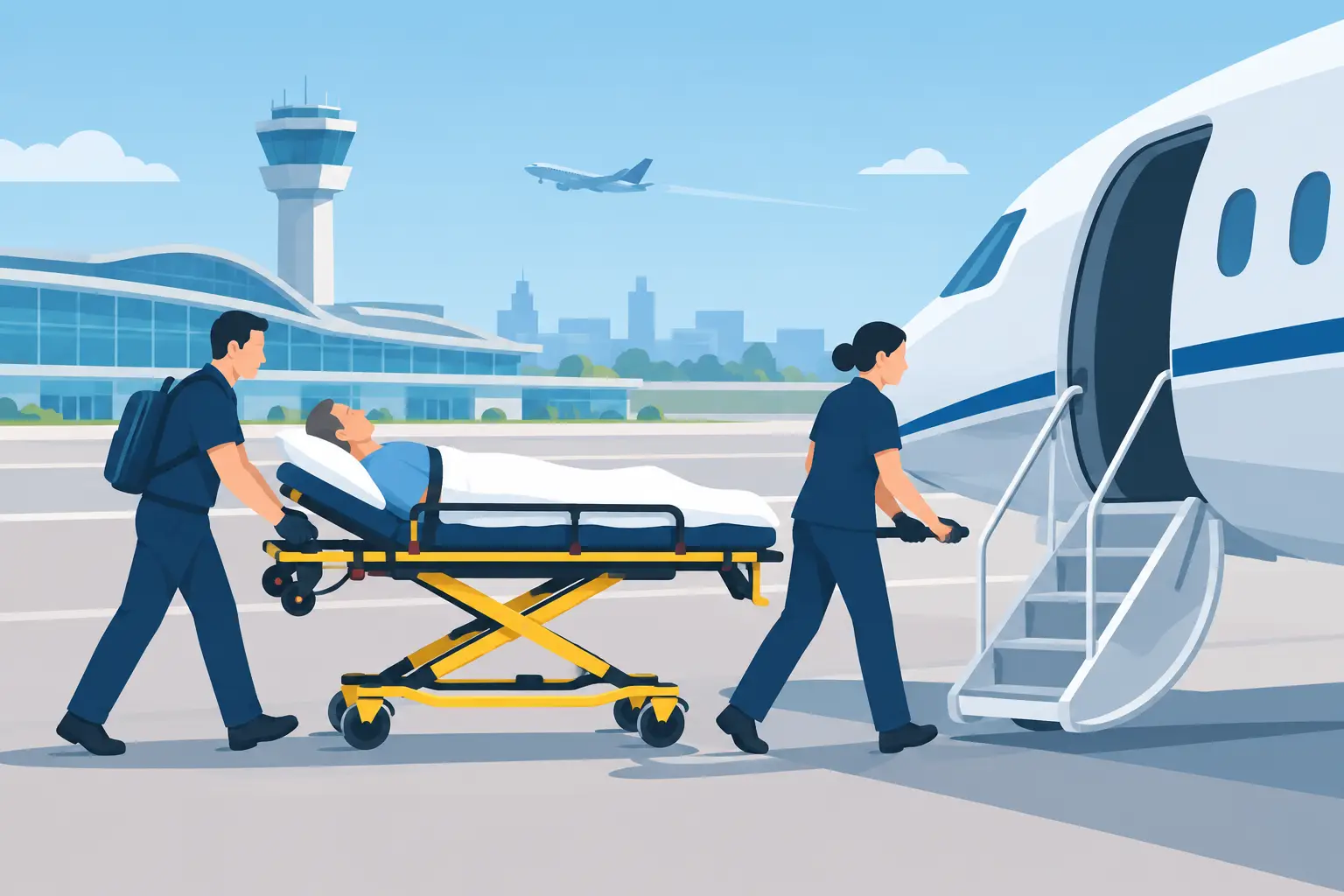
For travelers headed to Rochester, a delayed MSP arrival can have a greater effect than a local transfer. A Mayo Clinic appointment, caregiver schedule, or hotel check-in may be waiting at the other end of the drive. In that case, share the revised arrival as soon as you receive it so the long-distance transfer can be coordinated with proper rest, route, and vehicle planning.
The Pickup Experience at MSP Still Matters
A delayed flight does not eliminate the need for a polished arrival. If anything, it makes it more valuable. After an unexpected wait on the tarmac or a missed connection, travelers should not need to search parking ramps, compare vehicle plates, or gamble on whether a rideshare driver will accept the trip.
With private airport transportation, the chauffeur is assigned to the reservation and prepared for the agreed pickup process. Depending on the service arranged, that may include a meet-and-greet inside the terminal or clear curbside instructions coordinated by phone. Business-attired chauffeurs, late-model vehicles, and private door-to-door transportation create an arrival experience appropriate for an executive, a legal team, a visiting client, or a family traveling with children.
There is a practical trade-off here. Curbside pickup can be efficient for travelers carrying only hand luggage and moving quickly. Meet-and-greet service is often the better choice for first-time visitors, VIP guests, older travelers, passengers with mobility needs, or anyone arriving after a difficult disruption. The correct choice depends on the traveler, the terminal, and the level of assistance expected.
Avoid These Common Delayed Pickup Mistakes
The first mistake is booking a ride without adding the flight number. A pickup time alone offers no useful context when the airline changes your arrival. The second is assuming the original reservation will automatically cover a completely different itinerary. If your airline rebooks you, send the new flight details.
Another common problem is underestimating baggage and passenger changes. A smaller vehicle may be comfortable on paper but impractical after a delayed group arrives with extra checked bags. It is better to reserve appropriate space from the start than to make a last-minute adjustment at the terminal.
Finally, do not wait until you are at the curb to ask what happens next. Confirm your provider’s delayed-flight policy and pickup procedure before travel. You should know whether flights are monitored, how to reach dispatch, where the chauffeur will meet you, and what information is needed if the airline changes your plans.
Why Prearranged Service Gives You More Control
Rideshare availability can be inconsistent during peak arrival periods, severe weather, major events, and late-night disruptions. The app may show long waits, surge pricing, or drivers who cancel after seeing a distant destination or a large luggage load. Taxis and shared shuttles can solve some trips, but they rarely provide the same level of advance coordination, privacy, or vehicle certainty.
A prearranged chauffeur service is designed for the traveler who cannot leave the last mile to chance. Airport Car Service MSP monitors incoming flights, coordinates professional pickup, and provides private transportation in a vehicle suited to the reservation. Flat-rate pricing also gives travelers and corporate travel managers a clearer expectation than an unpredictable app fare.
This is especially useful when the trip has consequences beyond the airport. A delayed executive may need quiet time before a meeting. A visiting client may need a professional welcome. A patient traveling onward to Rochester may need comfort and room to rest. The transportation plan should support the purpose of the trip, not become another complication.
When your arrival time moves, keep the plan simple: share the correct flight details, keep your phone available after landing, and choose a transportation provider that is prepared to work from live flight information. A delayed flight may change the clock, but it does not have to change the standard of your arrival.






Leave A Comment