
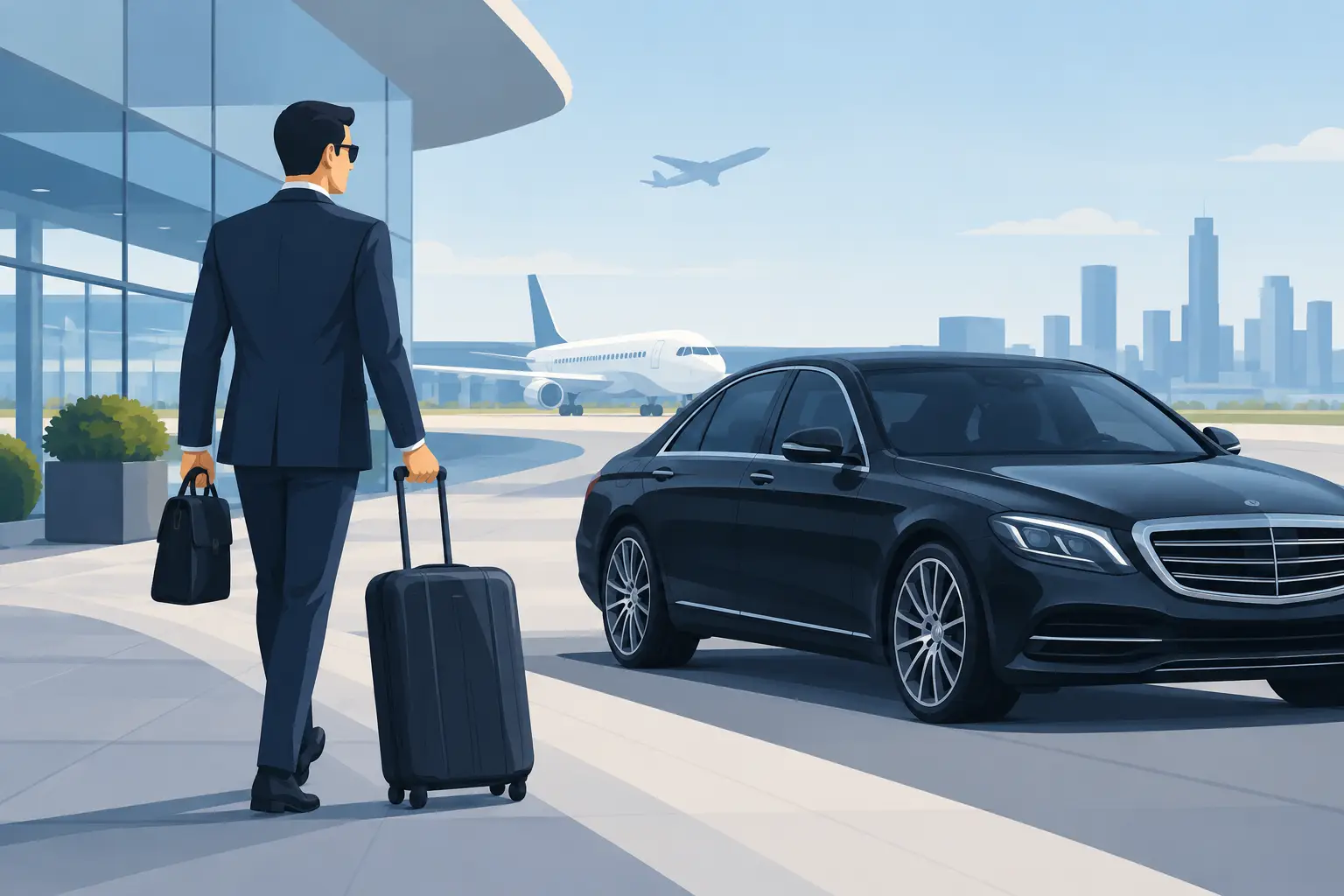
A delayed arrival at MSP, a board meeting downtown, and a client waiting at the hotel leave little room for transportation guesswork. The best vehicles for executive travel do more than look appropriate at the curb. They give travelers a quiet place to prepare, enough room for luggage, a professional arrival, and the confidence that the ride is already under control.
For executives, legal teams, visiting clients, and corporate travel coordinators, the right vehicle depends on the itinerary rather than a generic idea of luxury. A solo airport transfer has different requirements than a leadership team traveling to Rochester or a group arriving for a convention. Choosing well means matching capacity, privacy, road comfort, and presentation to the actual trip.
What Makes a Vehicle Right for Executive Travel?
Vehicle selection begins with operational needs. How many people are riding? How much luggage is coming from the airport? Is the traveler taking calls, reviewing a presentation, or simply recovering after a long flight? Will the route include Minneapolis traffic, a Wisconsin destination, or a longer transfer to Mayo Clinic in Rochester?
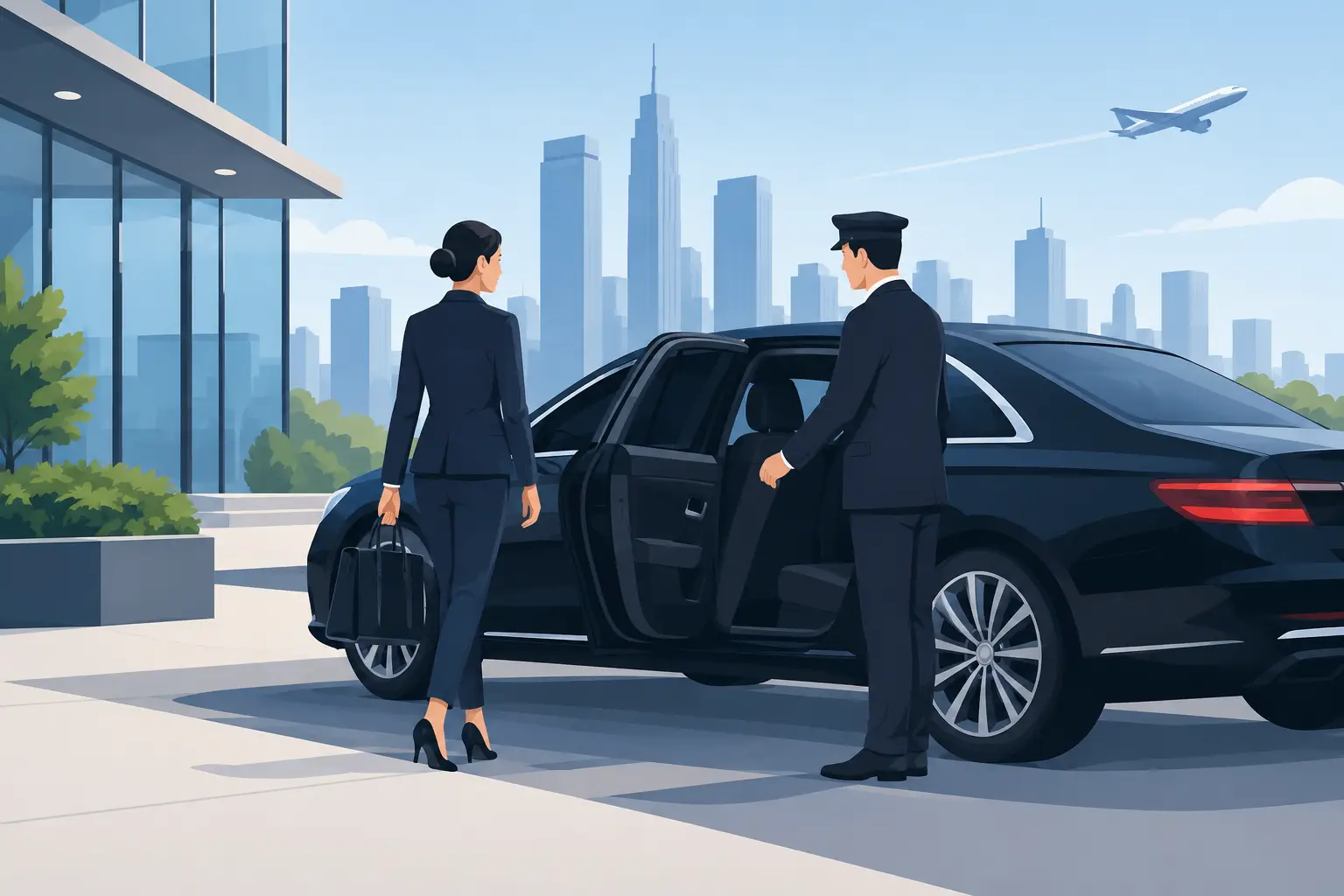
A professionally chauffeured vehicle also changes the calculation. The passenger does not need to navigate unfamiliar streets, find airport parking, monitor a rideshare pickup point, or manage the next turn while answering email. With a business-attired chauffeur handling the logistics, the vehicle becomes a private extension of the traveler’s workday.
Presentation matters, but it should not be the only factor. A sedan can make the strongest impression for one or two executives. An SUV may be the more polished choice when winter weather, golf bags, sample cases, or multiple checked bags are involved. For a larger party, forcing everyone into separate vehicles can create unnecessary delays and uneven arrival times.
Best Vehicles for Executive Travel by Use Case
Luxury sedan for solo travelers and client arrivals
A late-model luxury sedan, such as a Mercedes S-Class, is the classic choice for an executive airport transfer or private point-to-point ride. It is designed for one to three passengers who value a quiet cabin, comfortable rear seating, and an understated professional presence.
Sedans work especially well for a CEO flying into MSP, a visiting attorney headed to a downtown office, or a client being transported from a hotel to dinner. The ride feels intentional without being excessive. It also makes sense for travelers with standard carry-on bags and one or two checked pieces of luggage.
The trade-off is cargo capacity. A sedan is not the right answer for several passengers arriving with large suitcases, trade show materials, or winter gear. It is better to move up to an SUV before luggage becomes a problem at the curb.
Luxury SUV for luggage, weather, and flexible schedules
A Cadillac Escalade-class SUV gives executive travelers more room without sacrificing the refined presentation expected for business travel. This is often the most versatile option for two to six passengers, depending on luggage volume and seating preferences.
For MSP airport pickups, an SUV is particularly practical. Minnesota winters can bring snow, wet pavement, and cold temperatures, while travelers often carry larger coats, bags, and equipment. The additional cargo space prevents the cramped, improvised feeling that can follow a packed flight.
SUVs are also a strong choice for corporate roadshows, family office travel, airport transfers with colleagues, and longer trips across Minnesota or into Wisconsin. The elevated seating position and spacious cabin can be welcome on extended drives, particularly when a passenger needs room to work or take a confidential call.
There is a useful distinction here: an SUV is not automatically better because it is larger. For one executive with light luggage, a sedan is often more efficient and equally polished. The SUV earns its place when capacity, weather readiness, or route flexibility are genuine priorities.
Mercedes Sprinter van for executive groups
When a group needs to arrive together, a Mercedes Sprinter van is usually the most sensible executive transportation choice. It provides comfortable seating, generous room for luggage, and the ability to keep a team on the same schedule from airport arrival through the final destination.
This matters more than many planners expect. Splitting a group across rideshares or several rental cars introduces separate pickup timing, different drivers, parking issues, and the risk that part of the group arrives late. A dedicated Sprinter keeps a leadership team, event guests, visiting staff, or convention attendees together.
A Sprinter is well suited for airport transfers, corporate dinners, off-site meetings, sports and entertainment events, and group transfers between Minneapolis-St. Paul and Rochester. It can also be the better choice for medical travel when patients, caregivers, mobility needs, and luggage call for more space and a calmer travel environment.
The consideration is scale. A Sprinter is designed for groups and equipment, so it can feel unnecessary for a single airport passenger. For teams, however, it often costs less in time and coordination than arranging multiple smaller vehicles.
Executive shuttle options for larger movements
For conferences, company meetings, weddings, and multi-stop events, an executive shuttle can be the right tool. The goal is not simply to move more people. It is to create an organized transportation plan with scheduled pickup windows, designated locations, and dependable return service.
This format is useful when attendees are staying at the same hotel, when parking at the venue is limited, or when the event schedule cannot absorb late arrivals. It also removes the need for guests to drive after an evening reception or navigate an unfamiliar area.
The vehicle should be selected around the passenger count, luggage requirements, accessibility needs, and route. A well-planned group transfer feels controlled from the first pickup, while an undersized plan can quickly create delays. For high-visibility events, that difference is noticed.
How to Choose Between a Sedan, SUV, and Sprinter
Start with passenger count, then assess luggage honestly. Two travelers with carry-ons may fit comfortably in a sedan. Two travelers with four large suitcases may need an SUV. A group of six with conference materials could be better served by a Sprinter than by two vehicles.
Next, consider the purpose of the ride. A private sedan is ideal when discretion and a polished individual arrival are the priority. An SUV is a practical executive choice for airport runs, longer drives, and travelers who need more flexibility. A Sprinter supports group coordination and keeps colleagues, clients, or family members moving together.
Finally, look at the full itinerary rather than only the first leg. A vehicle that works for a hotel pickup may not work after a shopping stop, a golf outing, or an airport arrival with additional passengers. Reserving the correct vehicle in advance is easier than changing plans on a tight schedule.
Why the Chauffeur Is Part of the Vehicle Decision
The best executive vehicle can still fall short without a professional chauffeur and a disciplined dispatch process. Executive transportation is a service operation, not just a vehicle category. Flight monitoring, a confirmed pickup plan, meet-and-greet service when requested, and a chauffeur who understands professional boundaries all affect the experience.
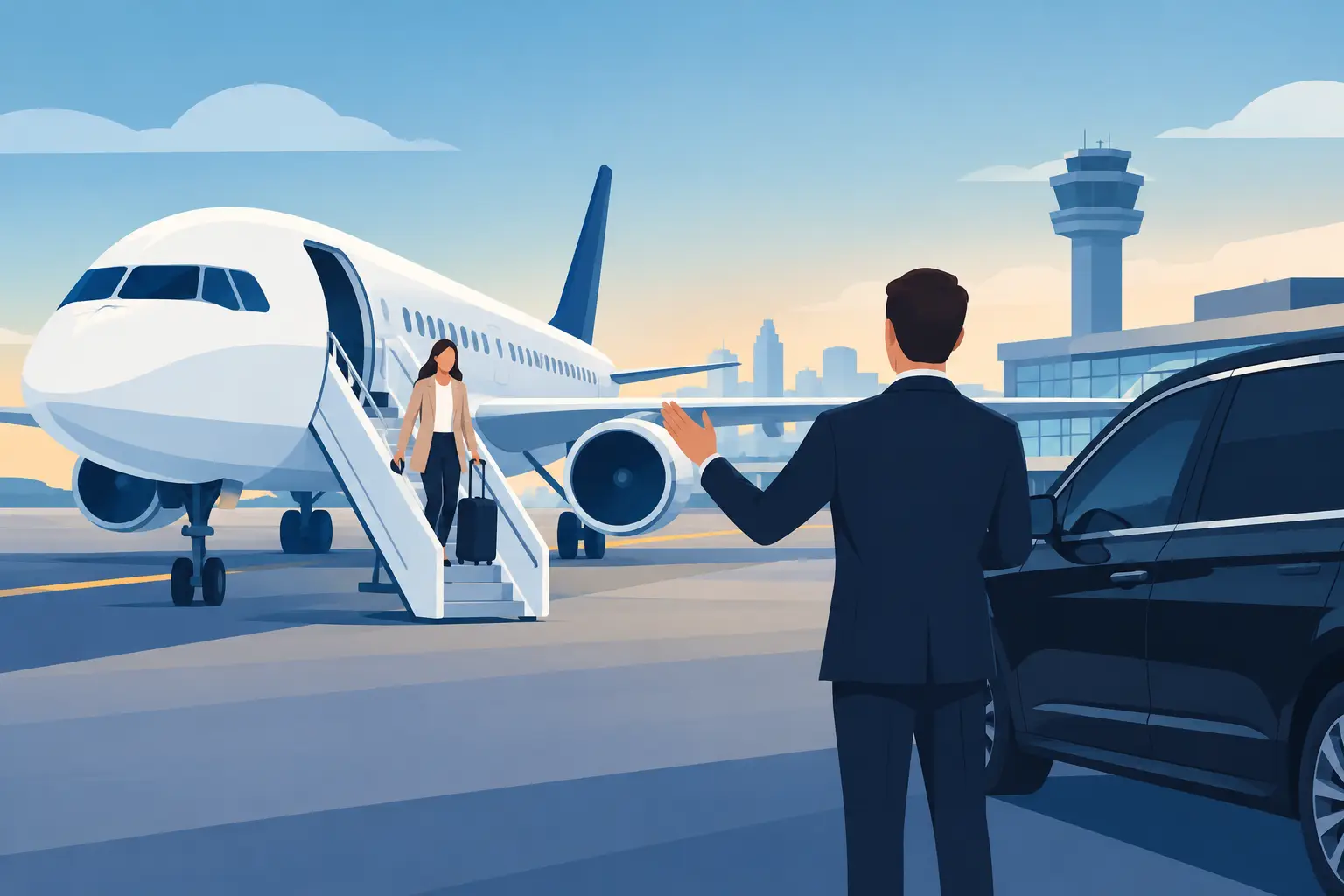
A reserved black car service offers a different standard than app-based transportation. The traveler knows who is coming, what vehicle is assigned, and how the pickup will be handled. There is no app roulette at the airport and no need to explain the route, manage parking, or hope that enough luggage space appears.
Airport Car Service MSP pairs late-model sedans, luxury SUVs, and Mercedes Sprinter vans with private door-to-door service for travelers who need punctual, discreet transportation throughout the Minneapolis-St. Paul area and beyond. For airport arrivals, client meetings, and long-distance executive transfers, that operational control is often the real luxury.
Choose the vehicle that makes the next part of the trip easier. When the seating, luggage space, chauffeur service, and itinerary all align, passengers can step out prepared instead of catching up.







Leave A Comment