

A delayed flight, a visiting client, and a board meeting across town can turn a routine itinerary into a chain of expensive decisions. Corporate transportation is not simply a ride between appointments. It is the part of the travel plan that protects time, professional presentation, privacy, and the ability to arrive ready to work.
For executives, travel coordinators, legal teams, and client-facing professionals in Minneapolis-St. Paul, the lowest fare is rarely the real objective. The objective is knowing the vehicle will be there, the chauffeur will know the itinerary, and the traveler will not need to troubleshoot transportation after a long flight or before an important meeting.
What Corporate Transportation Should Deliver
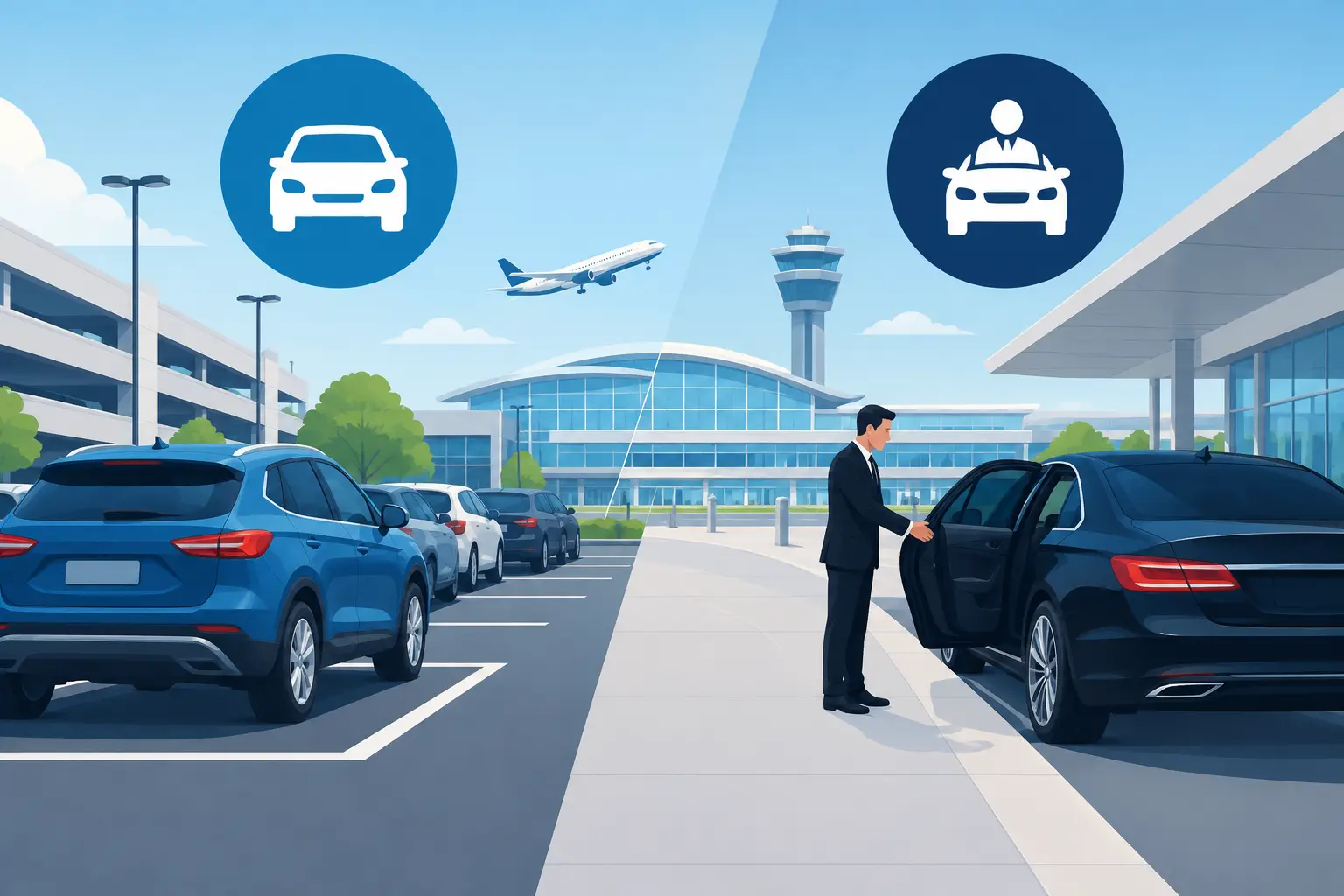
A professional corporate car service is built around control. Reservations are confirmed in advance, vehicles are selected for the passenger count and luggage needs, and chauffeurs arrive prepared for the specific pickup. That operating standard is markedly different from opening a rideshare app and hoping the closest available driver, vehicle, and route fit the occasion.
The difference is most visible when the schedule changes. Air travel is unpredictable. Your ride should not be. Flight monitoring allows an airport transfer to adjust to an early arrival, a delay, or a gate change without requiring a traveler to negotiate a new pickup while navigating baggage claim.
For a corporate traveler, the service should also feel appropriate. A late-model luxury sedan or SUV, a clean interior, and a business-attired chauffeur create the right first impression for an arriving client. Just as importantly, they give a departing executive a quiet, private environment to make a call, review materials, or simply reset between commitments.
The standard is private, not shared
Shared shuttles and pooled rides can look efficient on paper, but they add variables that business schedules do not need: additional stops, uncertain departure times, limited luggage capacity, and other passengers’ delays. A private door-to-door ride follows the client’s schedule, whether the destination is MSP International Airport, a downtown Minneapolis hotel, a corporate campus, or a meeting in Rochester.
That does not mean every trip requires a large luxury SUV. The right vehicle depends on the mission. An individual executive may prefer a Mercedes S-Class sedan. A team arriving with presentation materials or multiple checked bags may need an Escalade-class SUV. A visiting group may be better served by a Mercedes Sprinter van. Matching the vehicle to the trip is part of good transportation planning.
Corporate Airport Transportation Without App Roulette
Airport transfers are where corporate travel plans most often lose time. Parking, rental-car counters, unfamiliar roads, surge pricing, and rideshare pickup zones can all add friction at precisely the wrong moment. Prearranged airport service replaces that uncertainty with a named plan.
For arrivals, that can include a meet-and-greet arrangement, assistance with luggage, and direct transportation from MSP to the final destination. For departures, it means a scheduled pickup with enough time for the route, airport traffic, security, and the traveler’s preferred arrival window. A professional chauffeur handles the driving while the passenger retains control of their attention.
This is especially valuable for travelers who do not know the Twin Cities well. A senior leader arriving for a one-day meeting should not have to learn airport pickup rules, compare vehicle options, or wonder whether a driver will accept the ride. Their transportation should already be arranged, clearly communicated, and waiting.
Flat-rate pricing also matters. Corporate travel managers need a cost they can approve and account for, rather than a fare that changes with demand, weather, or a detour around construction. The least expensive option can become the most costly when it creates a late arrival, an awkward client pickup, or a missed connection.
When a Chauffeured Car Service Makes Business Sense
Not every local trip needs executive car service. A short, low-stakes errand may be adequately handled by a personal vehicle or standard rideshare. Corporate transportation earns its place when timing, confidentiality, comfort, guest experience, or logistics carry real consequences.
It is a particularly strong fit for airport transfers involving executives and VIPs; transportation for prospective clients or candidates; roadshows with several meetings in one day; legal teams carrying sensitive materials; conference and convention arrivals; and multi-passenger trips where coordinating several cars would create confusion.
It also helps when the destination is beyond the metro. A private transfer to Mayo Clinic in Rochester can give patients, caregivers, and corporate visitors a calmer alternative to a rental car or a long shared shuttle ride. For travel between Minneapolis-St. Paul and destinations throughout Minnesota or western Wisconsin, a chauffeur-driven vehicle offers direct service without handing a tired traveler a map, a parking problem, and an unfamiliar route.
Professional presentation is a practical benefit
There is a tendency to treat executive transportation as a luxury add-on. In practice, its value is often operational. When a company sends a professional vehicle for a client, the client is not left standing outside a terminal looking for a license plate. When a legal team travels together, the group can stay together. When a speaker is due on stage, a dedicated chauffeur is accountable for getting them there.
The vehicle also becomes a controlled space. Private rides are better suited to confidential conversations than a crowded shuttle or an unpredictable rideshare. No transportation provider can promise silence from the outside world, but a private, chauffeur-driven cabin offers a far more appropriate setting for business calls and sensitive discussion.
How Travel Managers Can Build a Better Ground Plan
The strongest corporate transportation plans are simple for the traveler and specific behind the scenes. Start by gathering the details that affect service: flight number, arrival or departure time, airline, passenger count, luggage volume, pickup instructions, destination, and any required stops. A vague request for an airport ride invites avoidable assumptions.
Next, identify the level of service the trip requires. A first-time client may need meet-and-greet service. A traveling executive may prefer a direct curbside departure. A group may require a Sprinter rather than multiple sedans. If the itinerary includes several stops, hourly service can be more practical than arranging separate point-to-point rides.
Finally, establish a clear point of contact for itinerary changes. Flight monitoring handles many common disruptions, but a service partner should also be able to respond when a meeting runs long, an additional passenger joins the trip, or the destination changes. The goal is not to eliminate every change. It is to make changes manageable without placing the burden on the traveler.
Choose Accountability Over Availability
Availability is what an app offers when someone happens to be nearby. Accountability is what a reservation-based provider offers when the trip cannot be left to chance. The distinction matters at 5:00 a.m., during a snowstorm, after a late-night arrival, and when a client is watching how your company handles the details.
Airport Car Service MSP provides scheduled, 24/7 private transportation with flight-aware airport logistics, professional chauffeurs, and vehicles suited to executive, individual, and group travel. The service is designed for travelers who need more than a ride confirmation on a phone screen.
The best corporate transportation is quiet in every sense: no scrambling for a driver, no surprise vehicle, no unnecessary stops, and no need to explain why a critical guest was left waiting. Arrange the ride before the itinerary becomes urgent, then let the traveler focus on the business that brought them here.








Leave A Comment